Thursday, October 30, 2025

Reconstruction and Beyond: Building the Foundations of Black Empowerment

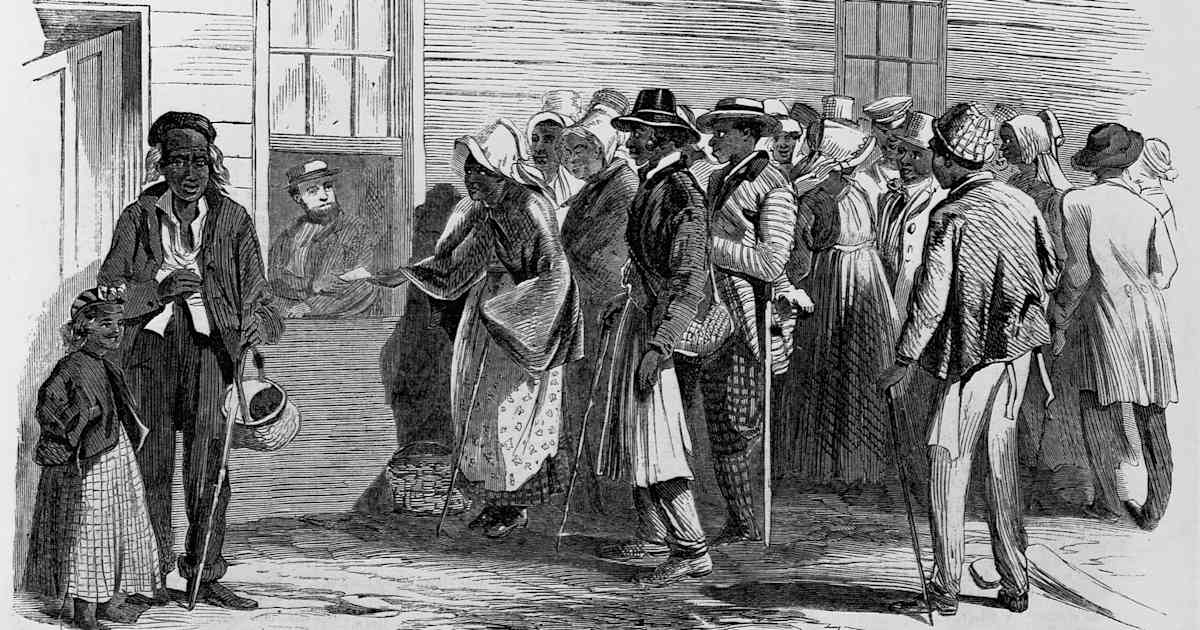
To support newly freed African Americans, Congress created the Freedmen’s Bureau in 1865—the first federal welfare agency. It helped over 4 million people, establishing more than 4,000 schools and laying the foundation for Historically Black Colleges and Universities (HBCUs), which educated 250,000 students by 1870. The Bureau also provided legal protection through 800,000 court cases and helped reunite families and validate marriages.

Reconstruction and Beyond: Building the Foundations of Black Empowerment

The end of the Civil War marked a turning point in American history, but freedom for formerly enslaved people came with deep challenges. The 13th Amendment abolished slavery, declaring that neither slavery nor involuntary servitude shall exist in the United States. Yet, while it ended slavery legally, it did not guarantee equality. The 14th Amendment followed, granting citizenship to all born in the U.S. and promising equal protection under the law. Despite its intent to protect the rights of former slaves, many states ignored its provisions. The 15th Amendment took another bold step, prohibiting the denial of voting rights based on race, color, or previous servitude—giving Black men the right to vote. However, discriminatory practices like poll taxes and literacy tests undermined its impact.Literary Hub » Beyond Institutions: Why Black Empowerment ...
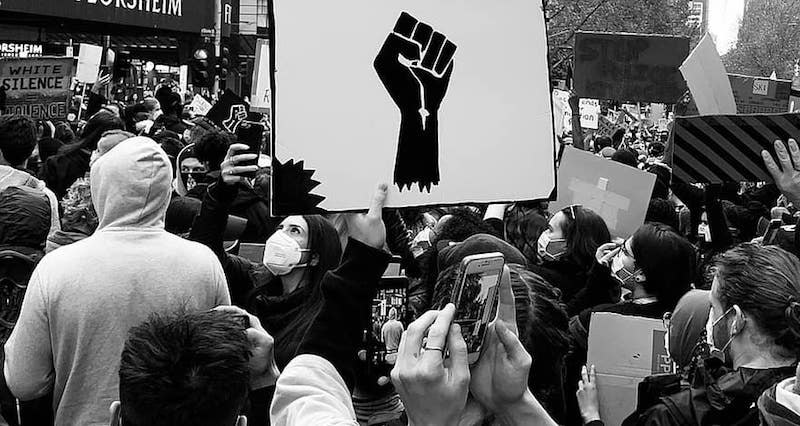
One of the most symbolic promises of Reconstruction was “40 acres and a mule,” intended to provide land to freed families. Tragically, President Andrew Johnson reversed this order, returning land to former enslavers and forcing Black families into exploitative sharecropping. This broken promise left a lasting legacy and remains a powerful symbol in reparations discussions.

Institutions like the Tuskegee Institute, founded in 1881 by Booker T. Washington, embodied the spirit of Black empowerment. Starting with one teacher and 30 students, Tuskegee emphasized vocational and academic education. Students built their own classrooms, and under leaders like George Washington Carver and architect Robert R. Taylor, the school became a beacon of innovation. Tuskegee Airmen trained there, becoming WWII heroes.

Trailblazers like Hiram Rhodes Revels, the first African American senator, and Joseph Hayne Rainey, the first Black U.S. representative, broke political barriers in 1870. Revels, born free in North Carolina, was a minister and educator who advocated for racial reconciliation. Rainey, born enslaved, fought for civil rights and protection from violence. Their legacies underscore the enduring struggle for equality and representation in America.

ODU Marks Black History Month with Events Exploring Identity ...

ODU Marks Black History Month with Events Exploring Identity ...ODU Marks Black History Month with Events Exploring Identity ... This information came from my notes and was put together by Copilot AI

Defending the Separate Car Act in Politics

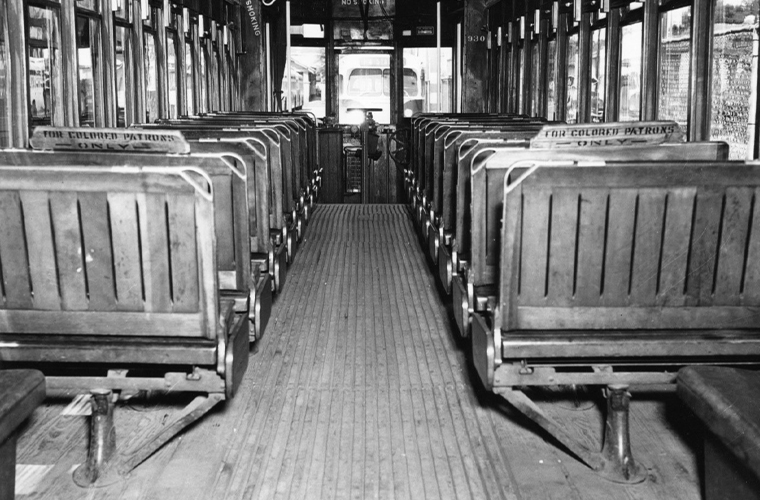
Segregation, as practiced in Louisiana and throughout the South, is not a product of racial animus. It is a reflection of longstanding customs and a practical measure to maintain public peace. The races have historically lived separately—by choice and by tradition. To compel their close association in confined spaces such as railway cars would not foster unity, but rather provoke tension and discord.The Louisiana Separate Car Act / SamePassage

In Defense of the Separate Car Act: A Case for State Sovereignty and Social Prudence

In the ongoing discourse surrounding the Separate Car Act, it is imperative to look beyond the surface of statutory language and examine the deeper principles of governance, constitutional interpretation, and societal harmony. The State of Louisiana, in enacting this law, has exercised its sovereign right to legislate for the welfare of its people—a right enshrined in the very fabric of our federal system.

The Separate Car Act mandates that railway companies provide distinct accommodations for white and colored citizens. Critics argue that this constitutes a violation of the Fourteenth Amendment. However, such a reading stretches the intent of that amendment beyond its original scope. The Fourteenth Amendment guarantees equality before the law, not the forced mingling of races in social or public settings. The framers did not seek to erase all distinctions based on race, nor did they envision a society where every social interaction must be integrated.

The State’s police powers grant it the authority to regulate conduct in the interest of public safety, health, and morality. The Separate Car Act is not an instrument of oppression; it is a framework for organization. It ensures that all citizens receive equal accommodations, albeit administered separately. This approach respects both constitutional mandates and the cultural norms of our communities.

Moreover, the law enjoys broad support among the populace. The white citizens, who bear the primary responsibility of governance, have deemed it necessary. The colored citizens, though recently enfranchised, are not denied access to transportation—they are simply directed to separate facilities. This is not a question of superiority or inferiority; it is a matter of practicality. Just as society provides separate restrooms for men and women, it may reasonably provide separate accommodations for different races without violating principles of justice.

Separate Car Act: 19th Century Civil Rights Case RevisitedTo strike down this statute would be to invite social upheaval. It would disrupt the delicate balance that has allowed communities to coexist peacefully. The Constitution does not demand such radical change. It permits states to act wisely and in accordance with their unique circumstances. Louisiana has done so, and its judgment should be respected.

In defending the Separate Car Act, we defend not only a law but the principle of state sovereignty, the preservation of public order, and the right of communities to govern themselves in a manner consistent with their values and experiences. Let us not confuse equality with uniformity, nor justice with forced integration. The law recognizes difference—not inequality—and in doing so, it upholds both the Constitution and the peace of our society.


This was a presentation turned into a post by Copilot AI

From Emancipation to Migration: The Long Road to Freedom

From Emancipation to Migration: The Long Road to Freedom

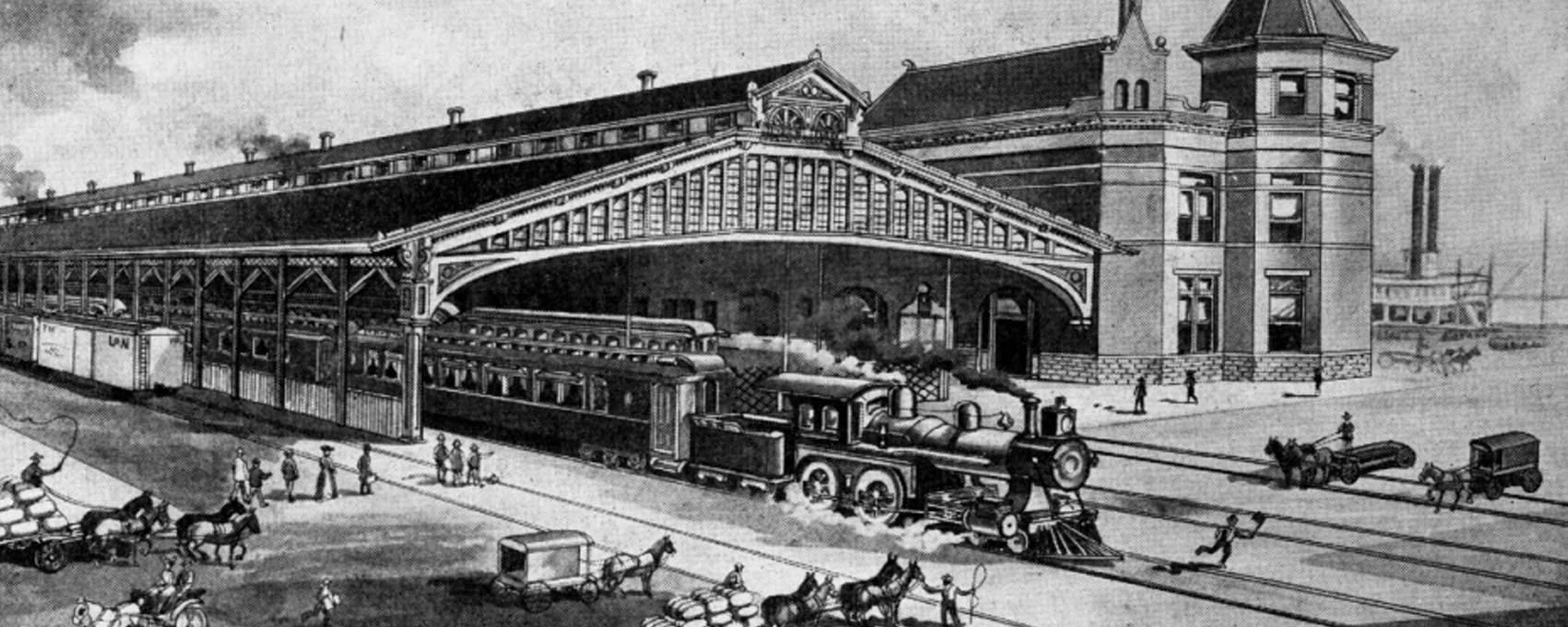
The story of African Americans in the United States is one of resilience, determination, and transformation. Between 1916 and 1970, the Great Migration marked a seismic shift in American society. Millions of Black Americans left the oppressive South—where Jim Crow laws enforced racial segregation—and headed north in search of opportunity. Black newspapers spread the word, and families boarded trains toward cities like Chicago, Detroit, and New York. They found work in factories and earned paychecks, but the North was no promised land. Despite facing discrimination, most never returned to the South, choosing instead to build new lives.

This journey toward freedom began long before the migration. After the Civil War, the 13th Amendment abolished slavery, but true equality remained elusive. The 14th and 15th Amendments granted citizenship and voting rights to Black men, and by 1868, voter registration among African Americans in the South soared. Sixteen Black Americans served in Congress during Reconstruction, proving that multiracial democracy was possible. Yet, this progress was short-lived. The end of Reconstruction in 1877 ushered in a new era of disenfranchisement and racial violence.

Black History Milestones: Timeline | HISTORYOne beacon of hope was Booker T. Washington, born into slavery in 1856. He taught himself to read, walked 200 miles to attend school, and later founded Tuskegee Institute—a place where African Americans could gain practical skills. Though his philosophy faced criticism, Washington’s legacy endures.

The assassination of Abraham Lincoln in 1865 was a turning point. His moderate approach to Reconstruction was replaced by Andrew Johnson’s leniency toward the South, allowing Black Codes to flourish. Congress responded with Reconstruction Acts and constitutional amendments, but the damage was done.

Even after emancipation, sharecropping trapped Black families in cycles of debt and poverty. The Freedmen’s Bureau, America’s first federal welfare agency, helped over four million people, but systemic barriers remained.

African-American history - WikipediaThis history reminds us: freedom is not just a legal status—it’s a lived reality that must be fought for, generation after generation.

This was taken from notes I put together and turned into a post by Copilot AI

Tuesday, October 28, 2025

Reconstruction, Resistance, and the Struggle for Racial Justice (1865–1930s)


In the aftermath of the Civil War, Southern states passed the Black Codes (1865–1866) to control newly freed African Americans and maintain white supremacy. These laws imposed harsh legal restrictions, effectively recreating slavery through forced labor, vagrancy laws, and limited civil rights. Though slavery had ended, true freedom was still denied. Northern outrage over these codes helped push Congress to act, leading to the creation of the Freedmen’s Bureau (1865), the Civil Rights Act of 1866, and eventually the 14th Amendment, which granted citizenship and equal protection under the law. The Black Codes also laid the groundwork for Jim Crow laws, which enforced racial segregation for decades.

During Reconstruction, “carpetbaggers”—Northern opportunists—moved south, often with good intentions. They helped establish public schools, promoted infrastructure like railroads, and worked with freedmen and Southern Republicans to pass civil rights legislation. However, many white Southerners viewed them as corrupt intruders, symbols of Northern domination. This resentment fueled violent resistance, most notably from the Ku Klux Klan (KKK).Reconstruction: A Timeline of the Post-Civil War Era | HISTORY

Founded in 1865 in Tennessee by former Confederate soldiers, the KKK began as a secret social club but quickly evolved into a violent organization. Its early goals were to resist Reconstruction and restore white supremacy. The Klan used fear, threats, and brutal violence—especially targeting African Americans and their allies—to undermine progress and intimidate voters.

One of the Klan’s most horrific tools was lynching. Used to terrorize Black communities, lynching peaked in the 1880s and 1930s, with over 4,000 documented Black victims. These acts were often public spectacles with community participation, reinforcing racial hierarchy and white dominance. Offenders were rarely prosecuted, and federal anti-lynching legislation wasn’t passed until 2022. The trauma of lynching left a lasting scar on American history and contributed to forced migration of Black families seeking safety.

The assassination of President Abraham Lincoln on April 14, 1865, at Ford’s Theatre by actor John Wilkes Booth—a Confederate sympathizer—shocked the nation. Lincoln died the next morning, and Booth was killed after a 12-day manhunt. Eight people were tried for conspiracy; four were hanged. Lincoln’s death marked a turning point, leaving Reconstruction in the hands of less sympathetic leaders and deepening national divisions.

Another form of institutional racism was anti-miscegenation laws, which banned interracial marriage in 30 states. These laws aimed to preserve white racial purity and were enforced with harsh punishments. They remained in place for decades until the landmark Supreme Court case Loving v. Virginia (1967) declared them unconstitutional. Yet, their legacy lingered, reflecting the deep entrenchment of racial prejudice in American law and society.

Together, these events and policies illustrate the fierce resistance to racial equality during Reconstruction and beyond. Despite constitutional amendments and federal efforts, white supremacy persisted through legal, social, and violent means—shaping the racial landscape of the United States for generations.


This information came from my notes I took and was put together by Copilot AI 

Thursday, October 23, 2025

Why Louisiana’s Separate Car Act Upholds Constitutional Order


In the case of Plessy v. Ferguson, the State of Louisiana stands firm in its defense of the Separate Car Act—a law requiring separate railway accommodations for white and colored citizens. Critics claim this statute violates the Fourteenth Amendment. I respectfully disagree. This law is not only constitutional—it is essential to preserving public order and respecting the customs of our society.

The Fourteenth Amendment guarantees equal protection under the law. It does not, however, mandate social integration. The framers of that amendment did not intend to erase all distinctions between the races. They sought to ensure legal equality, not to force unnatural social mingling. The Separate Car Act provides equal accommodations for both races. It does not deny access—it simply organizes it.

Segregation, as practiced in Louisiana and throughout the South, is not born of hatred or hostility. It is a reflection of long-standing social customs and practical realities. The races have historically lived separately, attended separate schools, and worshipped in separate churches. To compel their forced association in confined public spaces—such as railway cars—would invite tension, not harmony.Plessy v. Ferguson | American Experience | Official Site | PBS

The State of Louisiana has the sovereign right to legislate for the welfare of its people. Under the Constitution, states possess police powers to regulate public safety, health, and morality. The Separate Car Act is a legitimate exercise of that power. It does not degrade—it distinguishes. It does not oppress—it protects. Just as men and women are provided separate facilities, so too may the races be separated without offense to justice.

Moreover, the law reflects the will of the people. The white population, which bears the burden of governance, has deemed it necessary. The colored population has not been excluded—only directed to separate accommodations. This is not a question of inferiority. It is a question of practicality and public peace.

To strike down this law would be to invite social upheaval. It would not bring unity—it would bring unrest. The Constitution does not require such disruption. It permits the states to act wisely, and Louisiana has done so.

In defending this law, we defend not only the rights of our state, but the stability of our society. “Separate but equal” is not a slogan—it is a solution. It respects the differences between the races while ensuring fairness under the law. It maintains order without sacrificing dignity.

Let us not confuse legal equality with forced social integration. The Constitution does not demand that the races be mixed—it demands that they be treated fairly. Louisiana’s Separate Car Act meets that standard. It is constitutional, reasonable, and necessary.

This post was written by Copilot AI

Monday, October 20, 2025

Gone With The Wind Review by Jake Barwick


 Introduction

   I was unfamiliar with Gone with the Wind yet I found it to have a very interesting story. I admired the role each character played and the acting was phenomenal. It was presented in a sort of documentary-like form with the main character talking to the audience many times during the movie, it presents the movie in the form of a play. 


Favorite Character  

  Hattie McDaniel was one of my favorite characters as she brought some entertaining scenes for the main characters and some comedic moments for dramatic scenes. At times I forgot she was playing the role of a slave because she was so full of life. She would shout at the main character and address her at times like a parent which was unusual and a bit unrealistic, yet it fit the tone for the movie.


Hattie McDaniel as Mammy in “Gone with the Wind”. A heartfelt and  groundbreaking performance. 


              Setting

    Set against the backdrop of the American South during the Civil War and Reconstruction era, Gone with the Wind follows the tumultuous life of Scarlett O’Hara, a headstrong and ambitious Southern belle. As war ravages her homeland and upends her privileged world, Scarlett must navigate heartbreak, loss, and survival with fierce determination.

     Gone with the Wind is a story of transformation of a woman, a nation, and a way of life. Scarlett’s grit and complexity make her one of cinema’s most enduring characters, and the film’s grandeur continues to inspire filmmakers and audiences alike.

Audience Reaction 

   Gone with the Wind winded up winning 8 academy awards for its amazing acting, best picture, amazing actresses like Vivian Leigh, and most supported actress Hattie McDaniel, the first African American Oscar winner. The movie killed it in the box office. It still remains to this day as one of the highest grossing films in history. With a very rich production, a memorable performance, a sweeping score by Max Steiner it helped define the golden age of Hollywood. While Gone with the Wind was very celebrated it faced criticism for having a romanticized portrayal of the antebellum South and its depiction of slavery. Modern audiences continue to grapple and connect with the historical context, prompting important conversations, representation and legacy.

    Despite its controversies, Gone with the Wind endures because it captures the human spirit in times of upheaval. Scarlett’s grit, the sweeping historical canvas, and the tragic romance continue to resonate. It’s a story about reinvention, about clinging to hope when everything familiar is gone.

         The Civil War


               The Civil War was my favorite part of the movie and the most important part of the movie. We               hear about it throughout the movie and when it actually happens it gets really intense. It had me on               the edge of my seat as we are waiting for the main characters to find the people they knew in the                   photos of people who passed and it brings a lot of emotion out. 

                                                                                Conclusion 

    However you view this movie, it is still a cinematic touchstone that is fun to revisit from time to time. Gone with the Wind is a reflection on how stories shape our history and how we got to where we are today and how we understand ourselves.

Final Presentation: Evolution of American Freedom

The Founding Era: Building a New Nation America's story begins with bold ideas about freedom and self-governance. In 1776, the Declarati...