In the aftermath of the Civil War, Southern states passed the Black Codes (1865–1866) to control newly freed African Americans and maintain white supremacy. These laws imposed harsh legal restrictions, effectively recreating slavery through forced labor, vagrancy laws, and limited civil rights. Though slavery had ended, true freedom was still denied. Northern outrage over these codes helped push Congress to act, leading to the creation of the Freedmen’s Bureau (1865), the Civil Rights Act of 1866, and eventually the 14th Amendment, which granted citizenship and equal protection under the law. The Black Codes also laid the groundwork for Jim Crow laws, which enforced racial segregation for decades.
During Reconstruction, “carpetbaggers”—Northern opportunists—moved south, often with good intentions. They helped establish public schools, promoted infrastructure like railroads, and worked with freedmen and Southern Republicans to pass civil rights legislation. However, many white Southerners viewed them as corrupt intruders, symbols of Northern domination. This resentment fueled violent resistance, most notably from the Ku Klux Klan (KKK).
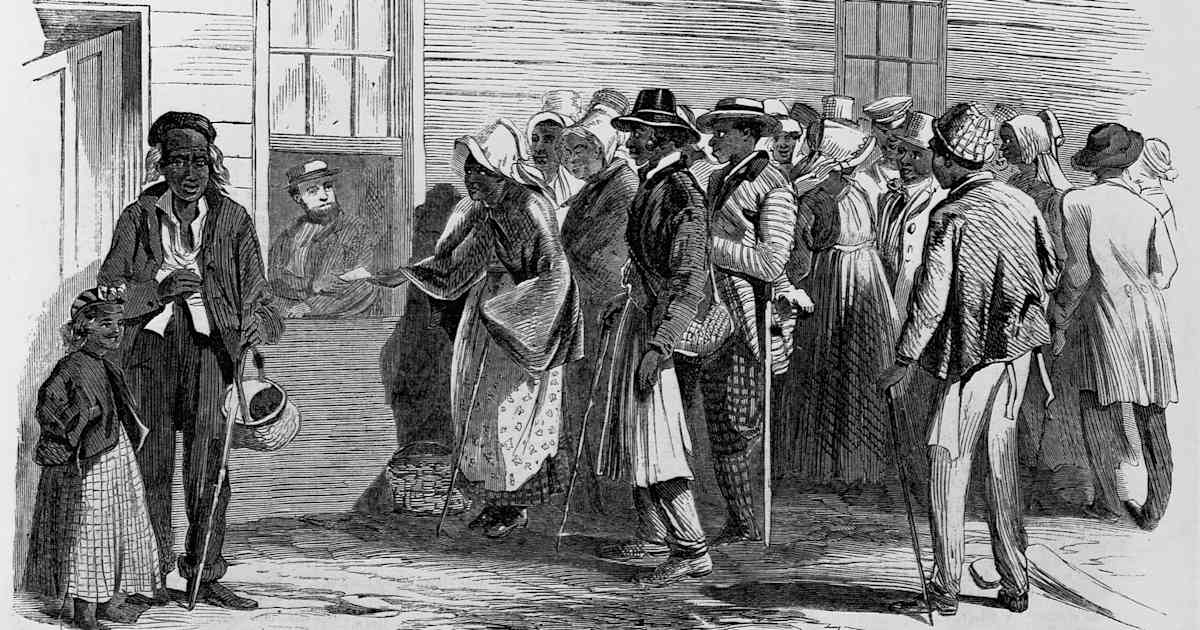
Founded in 1865 in Tennessee by former Confederate soldiers, the KKK began as a secret social club but quickly evolved into a violent organization. Its early goals were to resist Reconstruction and restore white supremacy. The Klan used fear, threats, and brutal violence—especially targeting African Americans and their allies—to undermine progress and intimidate voters.
One of the Klan’s most horrific tools was lynching. Used to terrorize Black communities, lynching peaked in the 1880s and 1930s, with over 4,000 documented Black victims. These acts were often public spectacles with community participation, reinforcing racial hierarchy and white dominance. Offenders were rarely prosecuted, and federal anti-lynching legislation wasn’t passed until 2022. The trauma of lynching left a lasting scar on American history and contributed to forced migration of Black families seeking safety.
The assassination of President Abraham Lincoln on April 14, 1865, at Ford’s Theatre by actor John Wilkes Booth—a Confederate sympathizer—shocked the nation. Lincoln died the next morning, and Booth was killed after a 12-day manhunt. Eight people were tried for conspiracy; four were hanged. Lincoln’s death marked a turning point, leaving Reconstruction in the hands of less sympathetic leaders and deepening national divisions.
Another form of institutional racism was anti-miscegenation laws, which banned interracial marriage in 30 states. These laws aimed to preserve white racial purity and were enforced with harsh punishments. They remained in place for decades until the landmark Supreme Court case Loving v. Virginia (1967) declared them unconstitutional. Yet, their legacy lingered, reflecting the deep entrenchment of racial prejudice in American law and society.
Together, these events and policies illustrate the fierce resistance to racial equality during Reconstruction and beyond. Despite constitutional amendments and federal efforts, white supremacy persisted through legal, social, and violent means—shaping the racial landscape of the United States for generations.
This information came from my notes I took and was put together by Copilot AI


No comments:
Post a Comment