The Founding Era: Building a New Nation
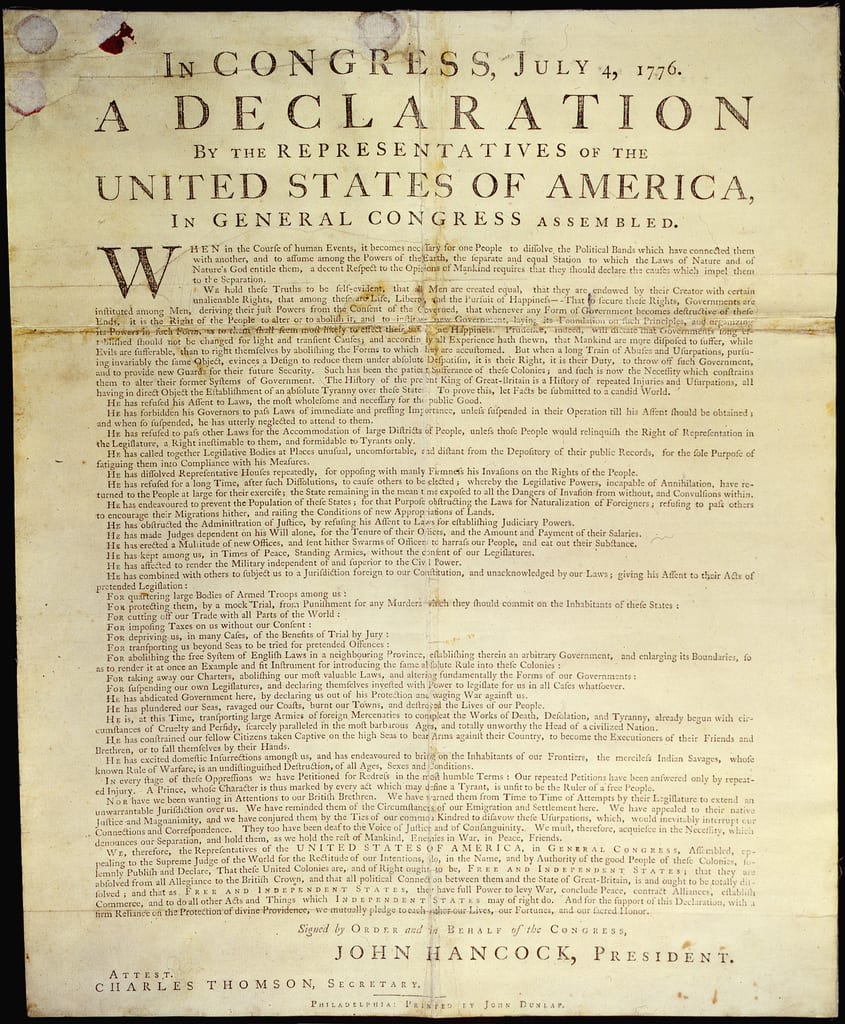
America's story begins with bold ideas about freedom and self-governance. In 1776, the Declaration of Independence proclaimed that all people are created equal with unalienable rights. This revolutionary document sparked a war that would birth a new nation.
The Articles of Confederation in 1781 represented America's first attempt at a national government, intentionally placing more power at the state level and making individuals an important part of the political system. These early experiments in democracy laid the groundwork for the Constitution that would follow.
Reconstruction: Redefining Freedom After the Civil War
The post-Civil War period brought seismic changes to American society. The Emancipation Proclamation of 1863 freed enslaved people in Confederate states and fundamentally shifted the war's purpose. Following the Confederate surrender at Appomattox in 1865, the 13th Amendment abolished slavery nationwide.
The Reconstruction amendments reshaped American citizenship. The 14th Amendment in 1868 granted citizenship and equal protection under the law, while the 15th Amendment in 1870 guaranteed voting rights regardless of race. Yet Reconstruction revealed how much unfinished work remained in making these promises real for all Americans.
Civil Rights Movement: From Segregation to Integration
The fight for equality continued through the 20th century. Brown v. Board of Education in 1954 ended legal segregation in schools. Rosa Parks' courageous stand in 1955 sparked the Montgomery Bus Boycott, while the Greensboro sit-ins and Freedom Rides challenged segregation in public spaces.
The movement's momentum built through the 1960s. The 1963 March on Washington showcased the moral urgency of civil rights, while the tragic bombing of the 16th Street Baptist Church revealed the violent resistance to change. The Civil Rights Act of 1964 banned discrimination in public accommodations, and the Voting Rights Act of 1965 outlawed discriminatory voting practices. Martin Luther King Jr.'s assassination in 1968 marked a sobering turning point in this ongoing struggle.
Lessons from History
Studying these pivotal moments reveals how America's promise of freedom has always required constant work and courage. From the founding era through Reconstruction to the Civil Rights Movement, each generation has grappled with making liberty and equality real for all people. Understanding this complex history helps us appreciate both how far we've come and how much work remains in perfecting our union.
AI Disclosure: This Blog was created with the assistance of AI technology to organize and present historical information in an accessible format.


No comments:
Post a Comment