Segregation, as practiced in Louisiana and throughout the South, is not a product of racial animus. It is a reflection of longstanding customs and a practical measure to maintain public peace. The races have historically lived separately—by choice and by tradition. To compel their close association in confined spaces such as railway cars would not foster unity, but rather provoke tension and discord.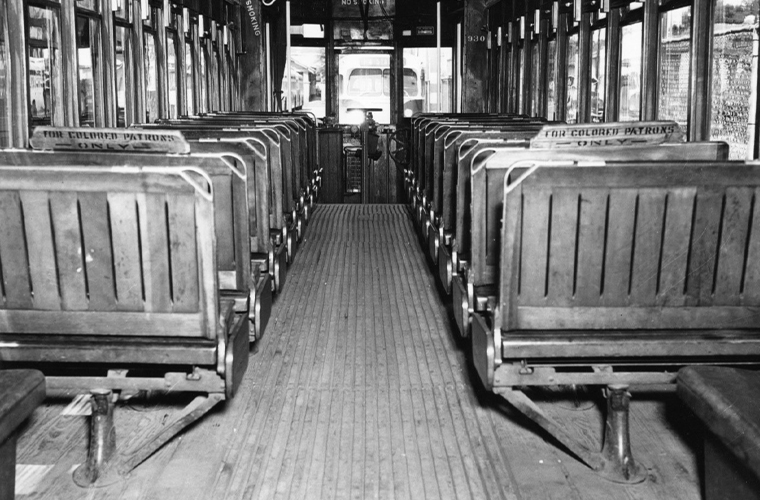
In Defense of the Separate Car Act: A Case for State Sovereignty and Social Prudence
In the ongoing discourse surrounding the Separate Car Act, it is imperative to look beyond the surface of statutory language and examine the deeper principles of governance, constitutional interpretation, and societal harmony. The State of Louisiana, in enacting this law, has exercised its sovereign right to legislate for the welfare of its people—a right enshrined in the very fabric of our federal system.
The Separate Car Act mandates that railway companies provide distinct accommodations for white and colored citizens. Critics argue that this constitutes a violation of the Fourteenth Amendment. However, such a reading stretches the intent of that amendment beyond its original scope. The Fourteenth Amendment guarantees equality before the law, not the forced mingling of races in social or public settings. The framers did not seek to erase all distinctions based on race, nor did they envision a society where every social interaction must be integrated.
The State’s police powers grant it the authority to regulate conduct in the interest of public safety, health, and morality. The Separate Car Act is not an instrument of oppression; it is a framework for organization. It ensures that all citizens receive equal accommodations, albeit administered separately. This approach respects both constitutional mandates and the cultural norms of our communities.
Moreover, the law enjoys broad support among the populace. The white citizens, who bear the primary responsibility of governance, have deemed it necessary. The colored citizens, though recently enfranchised, are not denied access to transportation—they are simply directed to separate facilities. This is not a question of superiority or inferiority; it is a matter of practicality. Just as society provides separate restrooms for men and women, it may reasonably provide separate accommodations for different races without violating principles of justice.
 To strike down this statute would be to invite social upheaval. It would disrupt the delicate balance that has allowed communities to coexist peacefully. The Constitution does not demand such radical change. It permits states to act wisely and in accordance with their unique circumstances. Louisiana has done so, and its judgment should be respected.
In defending the Separate Car Act, we defend not only a law but the principle of state sovereignty, the preservation of public order, and the right of communities to govern themselves in a manner consistent with their values and experiences. Let us not confuse equality with uniformity, nor justice with forced integration. The law recognizes difference—not inequality—and in doing so, it upholds both the Constitution and the peace of our society.
This was a presentation turned into a post by Copilot AI


No comments:
Post a Comment