The Tulsa Race Massacre of 1921 remains one of the darkest and most devastating episodes in American history. At the time, Tulsa, Oklahoma, was home to Greenwood, a thriving African American community often referred to as “Black Wall Street.” Greenwood was a symbol of Black prosperity, with flourishing businesses, schools, churches, and cultural life. Yet, its success became a target for racial hostility in a segregated society.
On May 30, 1921, an encounter between Dick Rowland, a young Black man, and Sarah Page, a white woman, sparked rumors that quickly spread through Tulsa. Though the details were unclear, the incident inflamed racial tensions. By May 31, a white mob had gathered outside the courthouse where Rowland was being held. What began as a confrontation escalated into one of the worst acts of racial violence in U.S. history.

Over the next eighteen hours, Greenwood was systematically destroyed. White mobs looted homes and businesses, set fires, and even used airplanes to drop incendiary devices on the neighborhood. By the time the violence ended, as many as 300 Black residents had been killed, more than 1,000 homes and businesses were reduced to ashes, and thousands of survivors were left homeless. Many were detained in internment camps, stripped of their freedom and dignity.
The massacre was not only a physical destruction but also an erasure. Newspapers and officials largely suppressed the story, and for decades it was omitted from history books. Survivors rarely spoke of it, fearing retaliation and further trauma. Greenwood’s legacy was buried, and the tragedy remained hidden from national memory.
In recent years, however, the Tulsa Race Massacre has finally received the recognition it deserves. Survivors like Viola Fletcher, who lived to be 111, spent their lives advocating for acknowledgment and reparations. Their voices, along with renewed scholarship and activism, have brought Greenwood’s story back into public consciousness. Efforts to preserve the neighborhood’s legacy and honor its victims continue, ensuring that the truth is not forgotten.
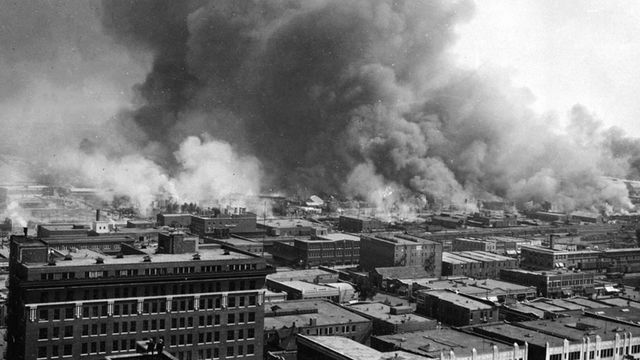
Today, the massacre is recognized as one of the worst incidents of racial violence in U.S. history. It serves as a powerful reminder of the destructive force of racism and the resilience of those who endured unimaginable loss. Remembering Greenwood is not only about honoring the victims but also about confronting the past to build a more just future.
AI Disclosure: This post was drafted with the assistance of Microsoft Copilot, an AI companion designed to help synthesize information and create clear, structured writing.


No comments:
Post a Comment