Tuesday, September 30, 2025

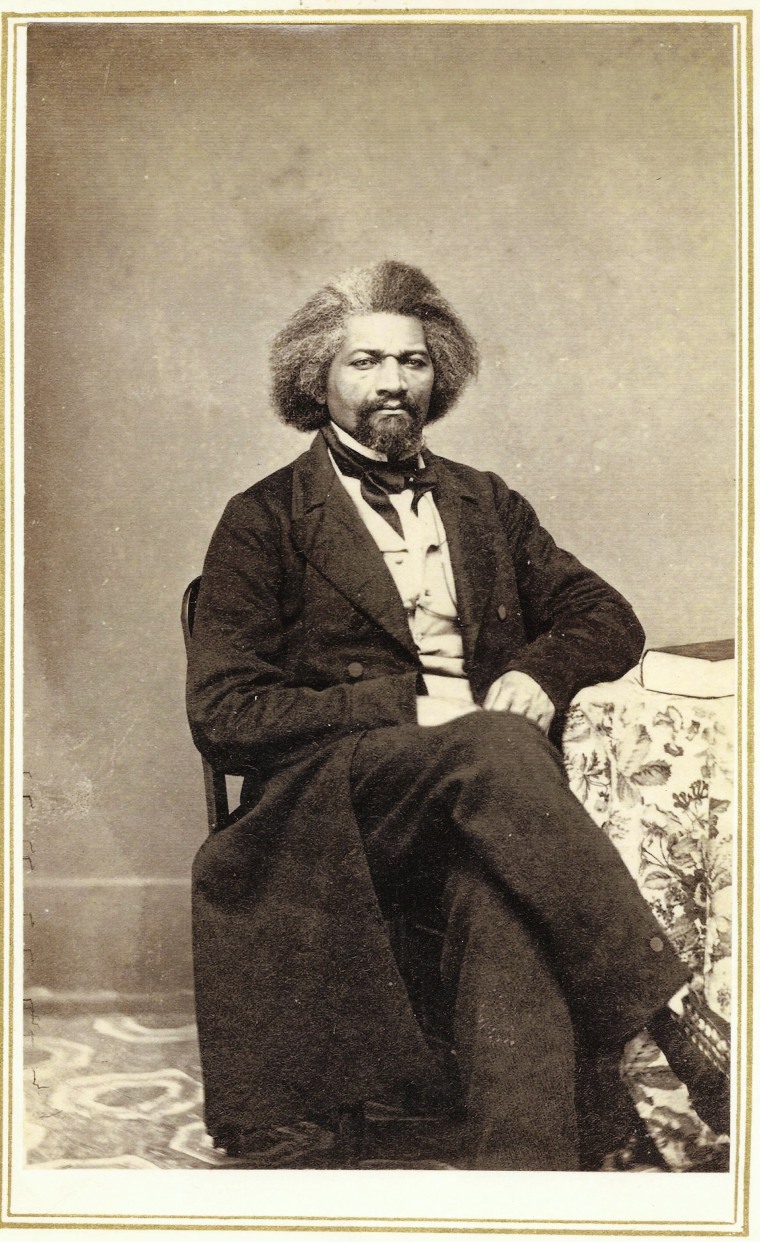
Frederick Douglass Was the Most Photographed American of the 19th Century

Frederick Douglass: The Voice That Shattered America's Conscience

Frederick Douglass didn't just escape slavery. He became its most eloquent enemy, wielding words as weapons against an institution that had tried to silence him forever.

Born into bondage around 1818 in Maryland, Douglass couldn't even tell you his exact birth date. Slaveholders deliberately withheld such basic information from the people they enslaved, treating them no better than livestock. But what slavery tried to take from him, Douglass would reclaim through sheer force of will and intellect.

His path to freedom began with the alphabet. His mistress taught him the alphabet but the husband was against it. When his mistress started teaching young Frederick to read, her husband quickly intervened. Learning, he declared, would make Douglass "unfit to be a slave." In that moment of intended cruelty, Douglass found his roadmap. He understood that knowledge was the bridge between bondage and liberty.

He was dedicated to learn how to read as it was the key to his freedom. Douglass traded bread with poor white children for reading lessons. He devoured every text he could find. Once his mind awakened to the power of ideas, no chain could truly hold him. This is the paradox of slavery that Douglass would later articulate: education and enslavement cannot coexist.

In 1845, Douglass published his autobiography, detailing the brutal realities of slavery. The narrative became an instant bestseller, selling 5,000 copies in just four months. In his autobiography he talked about the horrific actions and the brutality he had seen in his years of slavery. He described witnessing his aunt whipped until her back ran with blood. He recounted families torn apart with the same casual cruelty used to separate livestock. His firsthand accounts stripped away any romantic notions about the "peculiar institution."

But Douglass's most devastating critique came in his 1852 address, "What to the Slave is the Fourth of July?" Delivered in Rochester, New York, the speech exposed American hypocrisy with surgical precision. While white Americans celebrated freedom, millions of Black people remained in chains. The celebration, Douglass declared, was nothing but a sham.

"What, to the American slave, is your Fourth of July?" he asked. "A day that reveals to him, more than all other days in the year, the gross injustice and cruelty to which he is the constant victim." His words didn't whisper—they thundered. America could not claim the mantle of liberty while practicing slavery. The contradiction was too glaring, too obscene.

Douglass understood something profound about slavery: it corrupted everyone it touched. The institution didn't just brutalize the enslaved; it transformed slaveholders into tyrants, hardening hearts that might otherwise know compassion. Slavery represented the complete corruption of the human spirit, an evil that degraded master and slave alike.

Throughout his career as an orator, writer, and advisor to presidents, Douglass never softened his message. He refused to let America forget its original sin. He challenged the nation to live up to its founding principles—not just for some, but for all. His voice carried the moral authority of someone who had lived on both sides of slavery's divide.

Today, Douglass's words remain as relevant as ever. He showed us that silence in the face of injustice is complicity. He proved that one voice, armed with truth and courage, can change the course of history. And he demonstrated that the fight for human dignity requires both unflinching honesty and unwavering hope.

Frederick Douglass opened the eyes of American people to slavery and showed them the brutality that was occurring right under their nose. He made slavery a bigger topic and people ignored it no longer. Frederick Douglass didn't just tell America what it needed to hear. He made it impossible to look away.

Thursday, September 25, 2025

Facts About Slavery


Slavery and Resistance: A Complex Legacy Across Continents

The legacy of slavery is deeply woven into the fabric of history, marked by oppression, resilience, and the enduring fight for freedom. In the United States, figures like John C. Calhoun played pivotal roles in shaping the political landscape. Known as a formidable debater and staunch defender of Southern interests, Calhoun viewed slavery as a “necessary institution,” arguing it provided social and economic stability. His legacy remains controversial, defined by his intellectual contributions and his unwavering support for slavery.

Enslaved Life 

For the enslaved, daily life was grueling. Work began before sunrise and extended into the night, with little concern from enslavers for their well-being. Living conditions were harsh—crowded, muddy shacks offered minimal protection from the elements. Blankets were the only barrier against the cold earth, and clothing was scarce, leaving many to endure winter without jackets. Despite these hardships, enslaved individuals found comfort in community and family, drawing strength from one another.

Slave Markets

Slave markets operated with brutal efficiency. Individuals were categorized by age and health, auctioned publicly, and often separated from their families. These markets commodified human lives, yet resistance persisted. Enslaved people defied their circumstances in both subtle and bold ways—preserving traditions, escaping bondage, and rebelling against their captors.

Escaped Slaves 

Stories of escape highlight the courage of those who risked everything for freedom. Runaways moved in silence, knowing each step was a gamble. Bounty hunters lurked in the shadows, but the dream of liberation never faded. Even small victories fueled hope and defiance.

Britain Slavery Case 

Across the Atlantic, Britain’s struggle with slavery unfolded over decades. In 1772, James Somerset’s escape led to a landmark legal case, where the court ruled he could not be returned to slavery. Yet the trade persisted. Abolitionists like William Wilberforce fought tirelessly, culminating in the Slavery Abolition Act—a sweeping legislative victory that echoed across the empire.

Conclusion

These histories remind us that the fight for justice is long and complex. But within them lie powerful lessons of endurance, resistance, and the unyielding pursuit of freedom. 

This post was written by AI and the information came from the notes I put together.

U.S. Slavery: Timeline, Figures & Abolition | HISTORY

Tuesday, September 23, 2025

The Old Testament being Pro Slavery


The Bible Condemns American Slavery - The Cripplegate

📜 Was the Old Testament Pro-Slavery? A Historical and Ethical Exploration

The Old Testament is one of the most influential texts in human history, shaping laws, ethics, and religious beliefs across millennia. But when it comes to slavery, its legacy is complex—and often troubling. Many readers today are shocked to find that slavery was not only present in ancient Israel but regulated in detail by Mosaic law. So, was the Old Testament pro-slavery? Let’s unpack the historical context, the laws, and the moral implications.

🏺 Slavery in the Ancient World

Slavery was a widespread institution in the ancient Near East. Every major civilization—Egypt, Babylon, Assyria—practiced it. The Old Testament reflects this reality, embedding slavery into its legal and social framework. But it’s important to understand that biblical slavery was not identical to the chattel slavery of the transatlantic slave trade. In many cases, it resembled indentured servitude, especially for Hebrew slaves.

Justifying Injustice with the Bible: Slavery - CBE International

📖 What the Old Testament Says

Here are some key passages that illustrate the Old Testament’s stance:

  • Exodus 21:2 – “When you buy a Hebrew servant, he shall serve six years, and in the seventh he shall go out free, for nothing.” This law sets a limit on servitude for Hebrew slaves, suggesting a system of debt repayment rather than permanent bondage.

  • Leviticus 25:44–46 – “You may buy male and female slaves from the nations that are around you… You may bequeath them to your sons after you, to inherit as a possession forever.” This passage is more troubling. It permits the perpetual enslavement of foreigners, with no mention of release after six years.

  • Deuteronomy 15:12–15 – Hebrew slaves were to be released after six years and given gifts to help them start anew. This shows a degree of humanitarian concern, but again, it applied only to fellow Israelites.

⚖️ Ethical Tensions

The Old Testament does not explicitly condemn slavery. Instead, it regulates it—setting rules for treatment, duration, and manumission. Foreign slaves were treated differently than Hebrew ones, often with fewer protections and no guaranteed release. This dual system raises ethical questions: Was the Bible endorsing slavery, or simply managing an unavoidable social reality?

Some scholars argue that these laws were progressive for their time, offering protections that didn’t exist in neighboring cultures. Others contend that the Bible’s silence on abolition and its acceptance of slavery as normative make it complicit in perpetuating injustice.

🕊️ A Broader Theological Lens

While the Old Testament includes slavery, it also contains themes of liberation—most notably the Exodus story, where God delivers the Israelites from Egyptian bondage. This narrative became a powerful symbol for abolitionists and civil rights leaders centuries later. The tension between regulation and liberation is one of the Bible’s enduring paradoxes.

🧠 Final Thoughts

Was the Old Testament pro-slavery? In a literal sense, yes—it accepted slavery as part of its social order and provided laws to govern it. But it also planted seeds of justice, mercy, and liberation that would later inspire movements for freedom. Understanding this duality is essential for anyone grappling with the Bible’s moral legacy.

Writing was provided by Copilot AI


https://en.wikipedia.org/wiki/The_Bible_and_slavery

 https://michaelpahl.com/2017/01/27/the-bible-is-clear-god-endorses-slavery/

Academic Freedom

But academic freedom isn’t just about intellectual exploration—it’s also about personal expression. In my sociology seminar, we were asked to write papers on social justice issues that mattered to us. I chose to write about racial disparities in education, drawing from both scholarly sources and my own lived experiences. Sharing my perspective felt vulnerable, but it was also empowering. The classroom became a space where my voice mattered, where my story could contribute to a broader understanding.

The Expression of Freedom: Academic Freedom in College Life

Academic Freedom Resource Guide | ASCCC

Ideas are what allows people to evolve, especially when they are growing. An environment of thinkers can create many new ideas that help humanity grow. Having the freedom to have our own ideas is one of the most important things in our society. 

As a college student navigating the whirlwind of lectures, late-night study sessions, and heated classroom debates, I’ve come to realize that one of the most powerful freedoms we possess in higher education is academic freedom. It’s not just a lofty ideal tucked away in university mission statements—it’s a living, breathing force that shapes how we learn, question, and grow.

Free speech: is it actually a good thing? | Vox

Academic freedom, at its core, is the liberty to explore ideas without fear of censorship or retaliation. It’s the right of students and professors alike to ask uncomfortable questions, challenge conventional wisdom, and pursue knowledge wherever it leads. In a world increasingly polarized by politics, misinformation, and social media echo chambers, this freedom is more vital than ever.

I remember sitting in my freshman philosophy class, nervously raising my hand to question a widely accepted ethical theory. My professor didn’t shut me down—instead, he encouraged me to dig deeper, to research counterarguments, and to present my findings. That moment was transformative. It taught me that learning isn’t about memorizing facts; it’s about engaging with ideas critically and courageously.

Freedom of speech questions raised after Charlie Kirk assassination   

     Of course, academic freedom comes with responsibilities. It’s not a license to spread hate or misinformation. It demands that we engage respectfully, cite our sources, and remain open to opposing viewpoints. I’ve seen classmates passionately disagree on topics ranging from climate change to gender identity, yet still maintain mutual respect. That’s the beauty of academic freedom—it fosters dialogue, not division.

    Unfortunately, this freedom isn’t guaranteed. Across the country, there have been attempts to restrict what can be taught or discussed in classrooms. Banning books, silencing professors, or punishing students for expressing dissenting views undermines the very purpose of education. College should be a place where ideas collide, not where they’re confined.

    As I move through my academic journey, I’ve come to see academic freedom as a form of activism. Every time I speak up in class, write a bold paper, or challenge a dominant narrative, I’m exercising my right to think freely. And in doing so, I’m contributing to a culture that values truth, diversity, and intellectual courage.

    In the end, academic freedom isn’t just about what happens in lecture halls—it’s about shaping the kind of society we want to live in. One where curiosity is celebrated, where dissent is welcomed, and where learning is a lifelong pursuit. As a student, I’m proud to be part of that mission.


https://www.aaup.org/issues-higher-education/academic-freedom/faqs-academic-

freedomhttps://www.aft.org/position/academic-freedom

John Man Murder Case

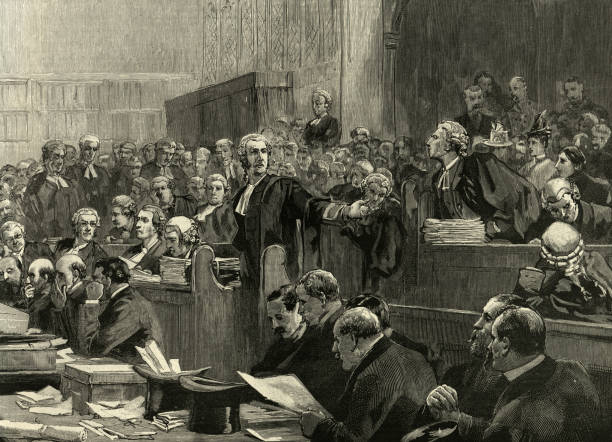
In 1829, North Carolina witnessed one of the most morally complex and legally significant cases in its history: State v. John Mann. At the heart of the case was Lydia, an enslaved woman who attempted to flee punishment. John Mann, who had rented Lydia, shot and wounded her. He was convicted of assault and battery and fined ten dollars. The ruling sparked fierce debate—was the fine just, or did it violate the rights of slaveholders?

Justice, Property, and Power: The Case of John Mann and Lydia4,300+ Old Courtroom Stock Photos, Pictures & Royalty-Free Images - iStock  | Vintage courtroom, Trial, Old courthouse

Those who argued the fine was unjust leaned on the legal framework of the time. Slavery was not only legal—it was foundational to the Southern economy. Cotton and tobacco, the region’s lifeblood, depended entirely on enslaved labor. Slaveholders claimed full ownership over enslaved people, equating their rights to control with the rights to discipline, even violently. To punish Mann, they argued, was to threaten the entire system. If the law did not protect the authority of slaveholders, it risked unraveling the social and economic order.

But the opposing view challenged this logic. They argued that even within the bounds of slavery, there were limits. Mann did not own Lydia—he merely rented her. His authority was borrowed, not absolute. Shooting her was not discipline; it was cruelty. The law, they insisted, must have boundaries. If it cannot protect Lydia, it cannot protect anyone. Justice demands accountability, even in unjust systems. Slaves, though treated as property, were still human beings—children of God, deserving of dignity.

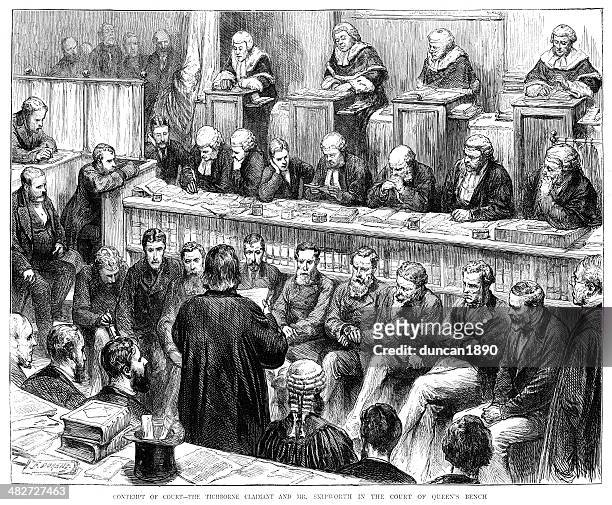
This case was not just about one man’s actions. It was about the kind of society North Carolina—and America—chose to be. Could the law be twisted to serve political power, or would it stand firm in the face of moral reckoning? The court ultimately sided with Mann, reinforcing the brutal logic of slavery. But the case left behind enduring questions: Should judges apply laws that are morally wrong? Can justice exist in a system built on human bondage?Victorian Legal Trial Court Case Judge Jury Lawyers Irish Land League Trials  In Dublin 19th Century High-Res Vector Graphic - Getty Images

State v. Mann remains a chilling reminder of how law can be used to uphold injustice. It challenges us to reflect on the boundaries of legal authority, the humanity of those denied rights, and the moral courage required to confront systems of oppression. In the end, the case wasn’t just about Lydia or Mann—it was about the soul of a nation.

                                            Notes from links, Blog written by Copilot AI


https://www.ncpedia.org/state-v-john-mann 

https://northcarolinahistory.org/encyclopedia/state-v-mann/

Thursday, September 4, 2025

Supreme Court Reflection


The Supreme Court of the United States is
the most powerful court in the world 


The Supreme Court: A Pillar of Justice and Constitutional Integrity

The United States Supreme Court stands as the highest judicial authority in the nation, entrusted with interpreting the Constitution and safeguarding the rule of law. Its power is not derived from enforcement mechanisms, but from the enduring respect and trust of the American people.

Each year, the Court receives over 7,000 petitions—formal requests for review, often from individuals seeking justice after wrongful convictions or constitutional violations. Yet, only about 100 cases are selected annually, reflecting the Court’s focus on issues of national significance and legal precedent.

Once a case is accepted, attorneys present oral arguments before the nine justices. These justices, appointed for life, often serve decades beyond the tenure of the presidents who nominated them. After hearing arguments, the justices deliberate privately and vote. One justice is assigned to write the majority opinion, which becomes binding precedent and guides future rulings. Drafts are circulated among all nine justices, and any may write concurring or dissenting opinions, contributing to the richness of American jurisprudence.

The opinion-writing process is meticulous and time-consuming. It is not merely about resolving a case—it’s about shaping the legal landscape for generations. The Court’s decisions have historically redefined civil rights, expanded liberties, and clarified the limits of governmental power. From Chief Justice John Marshall’s establishment of judicial review to post-Civil War rulings that abolished slavery and granted citizenship, the Court has played a transformative role in American history.

Ultimately, the Supreme Court does not seek out cases; it relies on the people to bring issues forward. Its authority rests on its commitment to the Constitution and the public’s willingness to accept its rulings. If either were to falter, the foundation of American freedom would be at risk.


As I learned from this documentary about the supreme court...

I found it fascinating how much the Supreme Court evolved to become the most powerful


Final Presentation: Evolution of American Freedom

The Founding Era: Building a New Nation America's story begins with bold ideas about freedom and self-governance. In 1776, the Declarati...